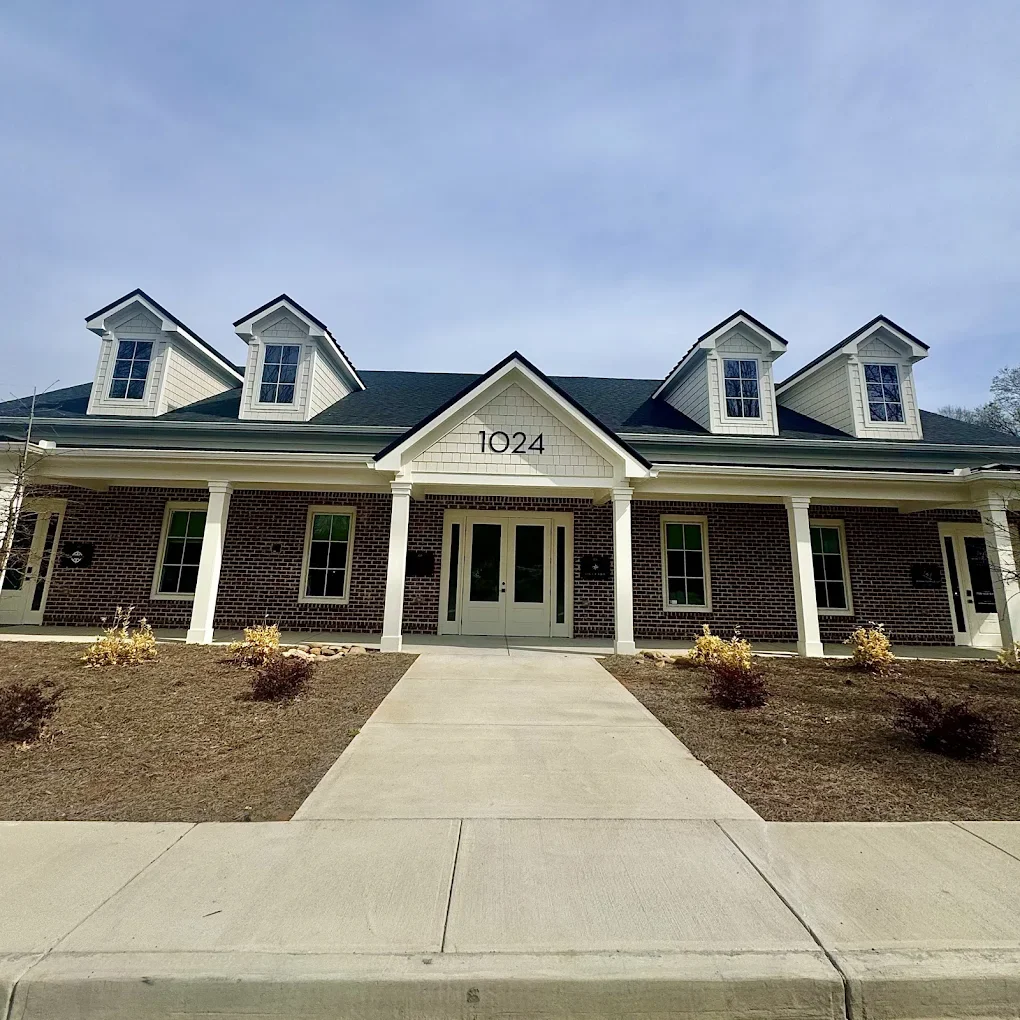
Divorce Attorneys in Watkinsville, GA
Our attorneys provide straightforward guidance on property division, spousal support, and custody.
Awards & Recognition




Clear, Honest Representation for Individuals Facing Divorce in Oconee County and Throughout Georgia
Divorce is rarely straightforward, emotionally or legally. Property accumulated over years must be divided. Arrangements for children must be established. Questions about spousal support may arise. The decisions made during this process can affect your financial stability and your family for years. Boggs, Cowan, & Fargione represents individuals in Watkinsville, Oconee County, and throughout Georgia in contested and uncontested divorce proceedings, offering straightforward guidance and preparation for whatever the process requires.

How Divorce Works in Georgia
Divorce in Georgia is filed in the Superior Court of the county where either spouse resides. For clients in Oconee County, that typically means the Superior Court of Oconee County, which is part of the Western Judicial Circuit. Georgia requires that at least one spouse have been a resident of the state for six months before filing for divorce.
Georgia recognizes both fault-based and no-fault grounds for divorce. The most common ground is that the marriage is "irretrievably broken"; the no-fault option that does not require proving misconduct. Fault-based grounds, such as adultery or desertion, are also available and may in some circumstances affect how the court addresses issues like property division.
Contested vs. Uncontested Divorce
In an uncontested divorce, the spouses agree on all major issues — property division, custody, support — and submit an agreed settlement to the court for approval. In a contested divorce, the parties disagree on one or more issues, which may require negotiation, mediation, and in some cases, trial. Our firm is prepared for both.
Property Division in Georgia
Georgia is an equitable distribution state. This means that marital property is divided in a way the court determines to be fair, not necessarily equal. Courts have considerable discretion in determining what is equitable based on the circumstances.
Marital vs. Separate Property
Marital property generally includes assets and debts acquired during the marriage, regardless of whose name is on the title or account. Separate property, such as assets owned before the marriage, or gifts and inheritances received by one spouse, is typically not subject to division, provided it has remained distinct from marital assets.
Factors Courts Consider
Georgia courts may consider a range of factors when dividing property, including:
- Each spouse's financial resources and earning capacity
- Contributions to the marital estate, including non-financial contributions such as homemaking and caregiving
- The needs of each party post-divorce
- The length of the marriage
- Whether fault-based grounds are present and whether marital waste occurred
- Arrangements for the children, including which parent will remain in the family home
Retirement accounts, investment portfolios, and business interests acquired during the marriage may also be subject to division. When retirement benefits are involved, a Qualified Domestic Relations Order (QDRO) may be required to properly divide the account without unintended tax consequences.
Spousal Support (Alimony) in Georgia
Georgia courts may award temporary or permanent alimony based on the financial circumstances of both parties. Factors considered include the length of the marriage, each spouse's financial resources, contributions to the marriage, and the standard of living established during the marriage. Fault may also be considered in some circumstances. Under O.C.G.A. § 19-6-19, alimony generally terminates upon remarriage, death, or cohabitation with a new partner.
Divorce Involving Children
When minor children are involved, divorce proceedings also address custody and support arrangements. Georgia courts determine custody based on the best interests of the child. Child support is calculated using Georgia's income shares model, which takes into account the incomes of both parents and the parenting time arrangement.
Because custody and support are addressed in the same proceeding as divorce, decisions made during this process have immediate and long-term significance for both parents and children. We address these matters carefully and with the interests of the children in mind.

How Boggs, Cowan, & Fargione Approaches Divorce Cases
Our attorneys handle divorce proceedings with preparation and directness. We take time to understand the full picture of a client's situation (assets, debts, children, income) and build a strategy around that reality, whether the matter resolves through agreement or requires the court to decide.
Founding attorney Lucas Cowan has handled contested litigation in Georgia's Superior and State Courts since entering private practice in 2019. Partner Al Fargione brings experience in high-stakes civil litigation across Georgia's courts and holds credentials that include a J.D. and an LL.M.; advanced academic preparation that is relevant when complex financial assets are at issue. Partner Lucas Boggs approaches every matter with a trial-focused preparation standard. Both Mr. Fargione and Mr. Boggs have been recognized as Super Lawyers Rising Stars.
Clients work directly with an attorney throughout their case. We maintain a selective caseload to make that level of access possible.
Contact a Divorce Attorney in Watkinsville, GA
If you are facing divorce in Oconee County or anywhere in Georgia, understanding your rights and the legal process is an important first step. Boggs, Cowan, & Fargione offers free consultations to individuals navigating divorce and related family law issues.